

Introduction
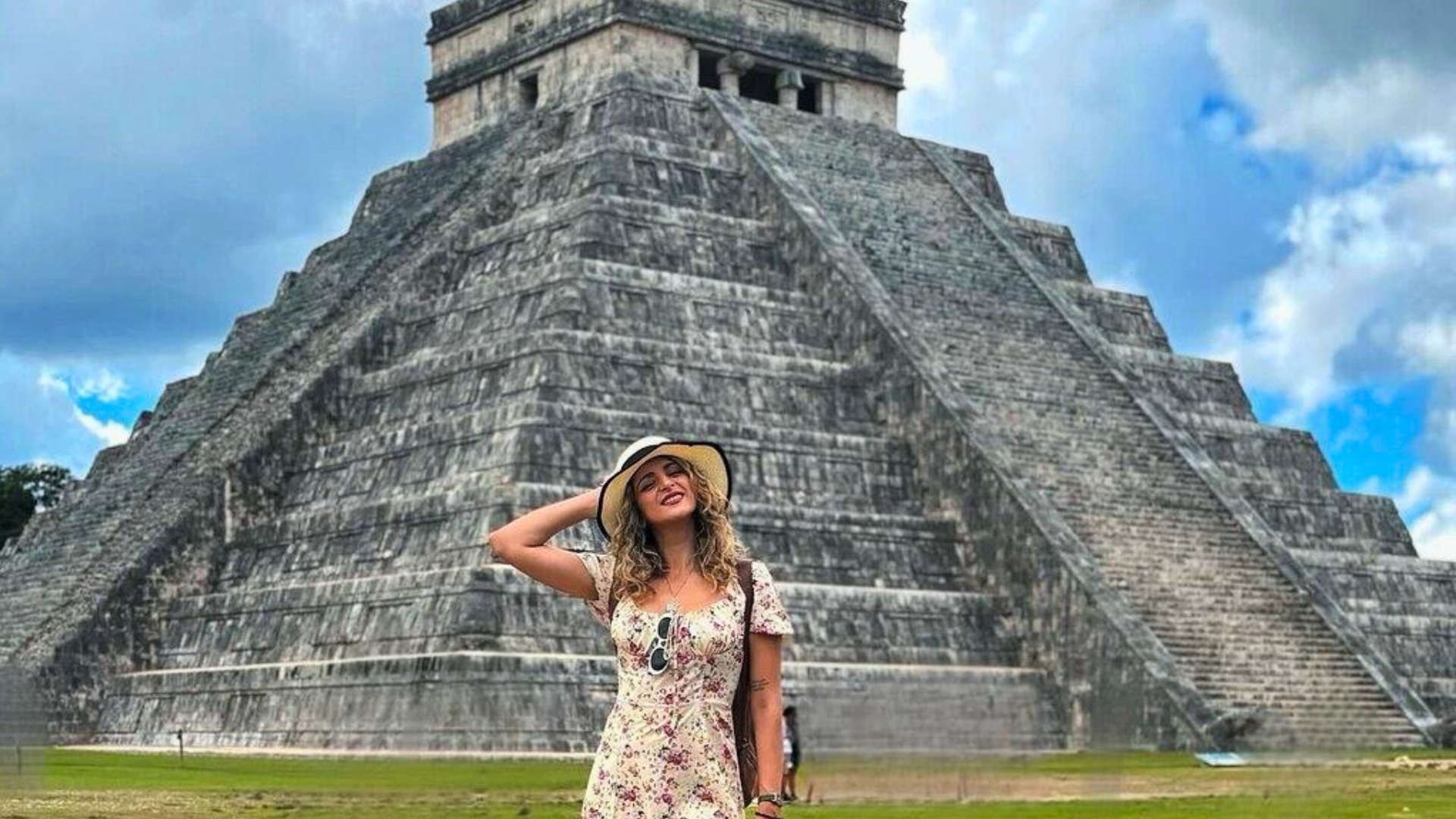
Every year in the heart of the Yucatán Peninsula, the ancient city of Chichén Itzá becomes the stage for a remarkable moment of light, shadow and history. Around the spring equinox in late March, the sun aligns just so with the pyramid of El Castillo (also known as the Temple of Kukulkán) to produce a fascinating spectacle: a series of shadows that appear to form the body of a serpent slithering down the north-western staircase of the pyramid. Visiting during the March equinox is more than just seeing ruins—it’s a chance to connect with the ingenuity of the Maya civilization, feel the atmosphere of a cultural event, and witness one of the world’s most iconic archaeological alignments.
What Happens During the March Equinox at Chichén Itzá
The Phenomenon Explained
The equinox marks the moment when the Earth's axis is perpendicular to the sun, causing day and night to be nearly equal. At Chichén Itzá, this astronomical moment coincides with the architecture of the pyramid:
The late afternoon sun casts triangular shadows down the stepped north staircase of El Castillo.
These shadows snake downward and appear to join with the stone serpent-head carve at the base of the staircase.
This effect typically occurs around March 20-23 for the spring equinox.
Symbolism & Significance
For the Maya, the feathered serpent deity Kukulkán represented creation, sky, earth and cycles of life. The visual “descent” of the serpent at the equinox may have symbolised renewal, fertility and the return of divine energy. Na'atik Language & Culture Institute The structure of El Castillo itself—91 steps on each of its four sides plus one platform step adding up to 365— reflects the solar year in stone.
Why March 2025 is an Excellent Time to Go
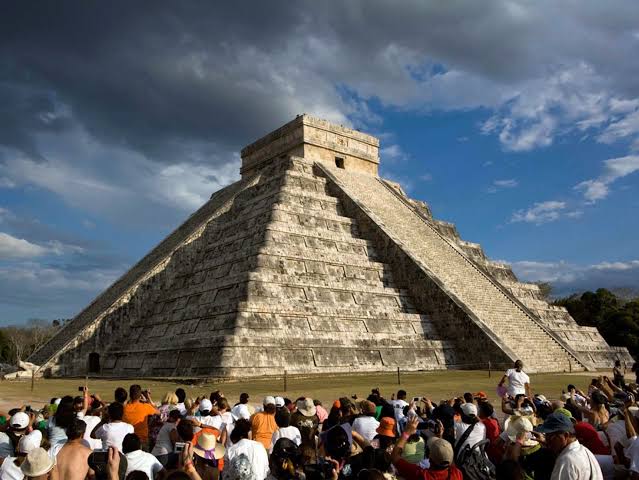
The spring equinox, which falls around March 20–21, is the most popular time for visitors hoping to witness the serpent-shadow phenomenon at Chichén Itzá. Arriving early in the day greatly improves your chances of securing a good vantage point and enjoying a more comfortable experience before the crowds build up. Many tours are specifically scheduled around this date, carefully timing their itineraries to ensure participants are at the pyramid precisely when the shadow effect appears, making the visit both seamless and memorable.
Planning Your Visit: What to Expect
Itinerary & Timing
Most tours pick up in the morning, giving you time to arrive, explore the site, and prepare for the late afternoon effect.
Reach El Castillo in the late afternoon around the time when shadows are most visible (often after 15:00-16:30). chichenitza
Expect a crowd: many visitors and tours converge onto the site on equinox days.
Site Conditions & Comfort
Climbing El Castillo is not allowed at present, so visitors must remain within the designated viewing zones for safety and preservation reasons. Since shade is limited, it’s important to bring sun protection such as a hat, sunglasses, and sunscreen to stay comfortable throughout your visit. Wear sturdy, comfortable footwear, as the paths are uneven and require steady footing. Lastly, stay hydrated and be prepared for warm weather, ensuring you can fully enjoy your time exploring this incredible ancient site.
Tips to Make the Most of the Experience
Arrive early and scope your view of the pyramid’s north-west side.
Choose a tour that emphasizes the equinox event and times arrival accordingly.
Bring a camera or smartphone with a decent battery; the light effect offers memorable photo opportunities.
Respect the site: follow paths, heed guide instructions, and avoid restricted zones.
Dress in light breathable clothes; cooling breaks or a swim at a nearby cenote can be a welcome relief after the viewing.
Beyond the Pyramid: Adding More Depth
While the equinox moment is the highlight, your visit becomes richer when you include:
A tour of the wider Chichén Itzá site: Temple of Warriors, Great Ball Court, observatory structures.
A stop at a nearby cenote for a refreshed dip—many tours offer this.
A visit to the colonial town of Valladolid for lunch, local culture, and relaxed charm. By layering these stops, your equinox visit becomes a full-day journey through history, nature, and heritage.
What You Should Know Before You Go
Booking in advance is essential, as access to Chichén Itzá during the equinox dates is highly sought after and tours often sell out quickly. Remember that the serpent-shadow phenomenon is a natural event, meaning weather and lighting conditions can influence how clearly it appears. It’s best to keep realistic expectations—while the moment is truly magnificent, it is also brief, forming just one part of a larger and enriching visit. The March equinox tour usually makes for a long day, with an early start and a late return, so plan your schedule and energy accordingly. Above all, respect the cultural and archaeological significance of this sacred site—photography is encouraged, but always avoid any actions that could damage or disrespect the heritage of Chichén Itzá.
Final Thoughts
Experiencing the March equinox at Chichén Itzá is more than adding a date to your travel journal—it’s standing where ancient builders aligned the heavens, earth and human imagination into stone. The descending shadow of the serpent on El Castillo becomes a symbol of rhythm and renewal, for the Maya and for modern visitors alike. By planning well, respecting the site, and arriving with curiosity, you’ll not just witness a moment—you’ll feel a connection across time. If your travel plans permit for 2025, don’t just see Chichén Itzá—arrive on equinox day and become part of its living legacy.
Tags

PrimeOne Tour
Expert travel guide specializing in Maya culture and history.