

Introduction
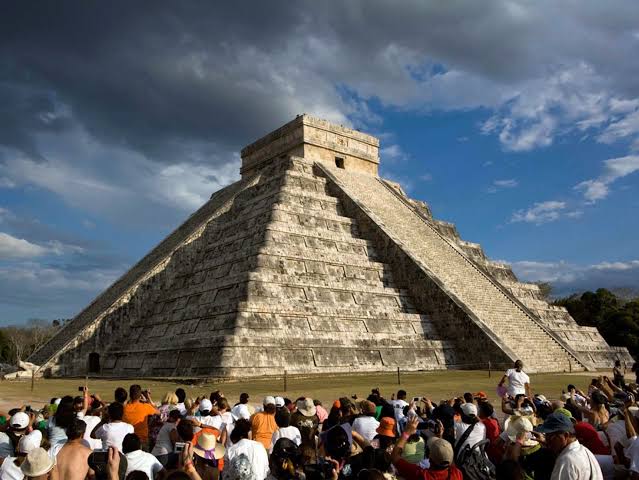
Every year, twice over, the ancient Mayan city of Chichén Itzá hosts a natural spectacle that captivates visitors from around the world. At the heart of this event stands the Kukulkán Pyramid (also called El Castillo), which during the equinox casts a series of triangular shadows that appear to form the body of a serpent slithering down the northern staircase. In this article you’ll learn what causes this phenomenon, its meaning, the best times to go, and how you can make the most of witnessing it in 2025.
What Is the Equinox Spectacle at Chichén Itzá?
The Science Behind the Shadow
An equinox occurs when the Earth's axis is oriented so that day and night are nearly equal. At Chichén Itzá, this celestial moment aligns with the architecture in a stunning way:
On the late afternoon of the spring or autumn equinox, the sun hits the north-west corner of the Kukulkán Pyramid.
The light and angles create a pattern of triangular shadows along the balustrade of the northern staircase. These shadows descend as the sun moves, culminating at the carved stone serpent head at the base of the stairs.
The effect is interpreted as the Feathered Serpent deity Kukulkán making his descent—connecting sky, earth and underworld.
Meaning and Heritage
This phenomenon ties into the Maya’s deep knowledge of astronomy and architecture. The pyramid’s 365 steps match days of the year; its design aligns with celestial events. For the Maya, the serpent symbolised renewal, cyclical time and the link between humans and gods. Witnessing the “descent” encourages reflection on the rhythm of nature, time, and culture.

Why Visiting in 2025 Is Special
Timing & Crowds
The spectacle is most noticeable around March 20–21 (spring) and September 22–23 (autumn).
On these days, and the days just before and after, the effect is strongest and the visitor numbers are at their highest.
In 2023, for example, over 28,000 visitors were recorded for the event.
Why Plan Ahead
Because of heavy demand and larger crowds, tours sell out early on equinox dates.
Arrival timing matters: the effect happens in the late afternoon, so you’ll want to be at the pyramid at just the right time.
Weather can play a role—cloud cover may affect visibility of the shadow effect.
What You’ll See & Experience
The Site and the Moment
When you arrive at Chichén Itzá, your visit begins with exploring its major structures, including the impressive Kukulkán Pyramid, the Temple of the Warriors, the Great Ball Court, and several other remarkable ruins that showcase the ingenuity of Maya civilization. As late afternoon approaches, you make your way to the north side of the Kukulkán Pyramid to witness the captivating shadow descent—a phenomenon that symbolizes the serpent god Kukulkán. During this time, tour guides often explain how the architecture and Maya calendar systems align perfectly to create this stunning interplay of light and shadow. The atmosphere becomes lively as a mix of tourists, ceremonial groups, and locals gather to experience the event, creating a festive and awe-inspiring ambiance that captures the spirit of the equinox at Chichén Itzá.
Tips for the Best View
Position yourself on the north-west side of the Kukulkán Pyramid where the effect is clearest.
Arrive early in the day or early afternoon and plan to stay until the late afternoon effect.
Wear light, comfortable clothing, a hat and sunglasses—shade is limited and the Yucatán sun is strong.
Bring water, snacks and patience—crowds grow as the moment approaches.
Respect the site rules: climbing the pyramid is no longer allowed.
Practical Considerations for 2025
Booking & Logistics
Choose a tour package that conveniently includes transportation, a professional guide, entrance fees, and return transfer to your hotel for a smooth and hassle-free experience. If you value comfort, flexibility, and a more personalized pace, consider booking a private or small-group tour, which often allows for better interaction and less waiting time. Be sure to confirm your pickup and return times in advance, as many equinox tours extend into the evening hours and typically conclude after dark, ensuring you don’t miss the highlight of the event.
Weather & Comfort
The early morning and late afternoon are the most comfortable times to explore, offering cooler temperatures and fewer crowds, while midday can be hot and busy. Since rain is possible, it’s wise to pack a light rain jacket or poncho to stay dry if the weather changes unexpectedly. For those who love capturing the moment, make sure to bring a fully charged camera or phone, and consider carrying a portable charger to keep your devices powered throughout the day.
What Not to Expect
This is not a modern light-and-sound show, but rather an ancient natural event that depends entirely on the movement of the sun and the play of shadows. The visual effect lasts only a short period, making timing and patience essential to fully appreciate it. Although the moment is dramatic, the phenomenon unfolds over several days surrounding the equinox, rather than occurring at one exact minute, allowing visitors a broader window to experience this remarkable display of Maya astronomical precision.
Ways to Enhance Your Visit
Combine With Extra Stops
After exploring the ancient ruins, take time to visit a nearby cenote for a refreshing swim and a chance to cool off after walking among the fossils and stone structures. You can then head to the colonial town of Valladolid to enjoy a leisurely lunch and soak in its relaxed atmosphere filled with historic charm. For an even more comfortable experience, consider staying overnight in the region, which allows for an early morning arrival at Chichén Itzá and a more relaxed travel pace without the rush of a same-day trip.
Meaningful Add-Ons
Hire a knowledgeable guide who can explain the architectural, calendrical, and symbolic details of the Kukulkán Pyramid, helping you understand the deeper meaning behind the equinox event. Take the opportunity to reflect, as the equinox symbolizes balance and renewal—you can personalize the experience by contemplating its significance in your own life. Many visitors choose to wear white or light-colored clothing to express a sense of visual unity and purity, though this tradition is entirely optional and not required to enjoy the occasion.
Why the Spectacle Matters
This equinox moment at Chichén Itzá is more than a photo-op. It’s a living testament to human creativity and ancient science:
It reminds us that the Maya built not just monuments but observatories, calendars and symbols of connection to nature.
When sunlight aligns with design, architecture becomes poetry in stone.
For modern visitors it offers an experience of awe, meaning and memory.
Final Thoughts
If you find yourself planning a visit to the Yucatán in 2025, witnessing the equinox at the Kukulkán Pyramid should be near the top of your list. With the right timing, preparation and mindset, you’ll experience a rare alignment of sun, shadow, stone and story. Arrive early, stay late, bring your curiosity—and you’ll walk away not just with photos, but with a sense of connection to the ancient past and the rhythms of nature. In the flicker of those descending triangles of light, you’ll see more than a pyramid—you’ll touch the soul of Chichén Itzá.
Tags

PrimeOne Tour
Expert travel guide specializing in Maya culture and history.